

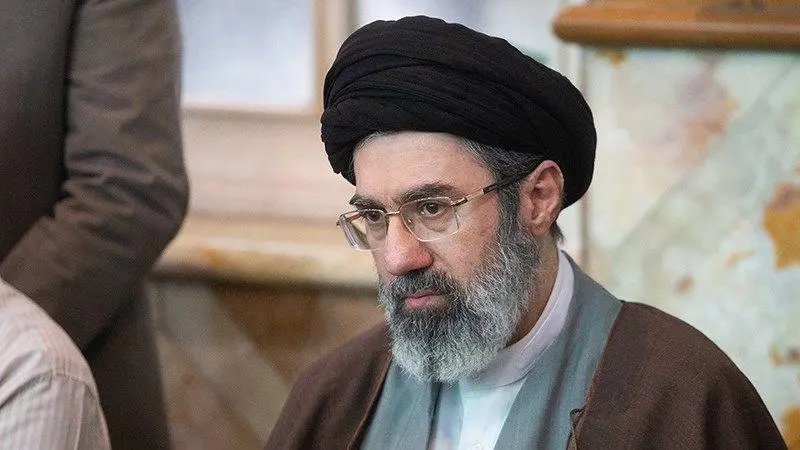
Iran has formally named Mojtaba Khamenei, the second son of the late Ayatollah Ali Khamenei, as the country’s new supreme leader, state-run media announced early Monday.
This marks a swift and controversial succession amid the ongoing US-Israeli military campaign that claimed his father’s life on February 28.
The decision was made by Iran’s Assembly of Experts, the 88-member body of senior clerics constitutionally tasked with selecting the supreme leader
This marks only the second time in the Islamic Republic’s history that the assembly has chosen a new leader, following the hurried selection of Ali Khamenei himself after Ayatollah Ruhollah Khomeini’s death in 1989.
Reports indicate Mojtaba Khamenei secured majority support within the assembly, though the process unfolded under extraordinary wartime conditions, including remote deliberations due to security risks from ongoing airstrikes.
Mojtaba, aged 56 and a mid-ranking cleric with deep ties to the Islamic Revolutionary Guard Corps (IRGC) and the Basij paramilitary force, has long operated as a powerful behind-the-scenes figure in Iran’s power structure.
His elevation represents a dynastic shift in a system that has historically avoided hereditary succession, drawing criticism from some clerics who warned against establishing “hereditary leadership.”
Sources close to the assembly cited pressure from the IRGC as a key factor in accelerating the choice, prioritizing continuity of hardline policies during the conflict.
The announcement comes as the regime seeks to project stability despite severe military setbacks, including widespread damage to oil infrastructure, nuclear sites, and command structures from joint US-Israeli operations under Operation Epic Fury.
Israeli officials have repeatedly vowed to target any successor perpetuating Khamenei’s confrontational stance, with the IDF describing potential appointees as “unequivocal targets.”
US President Donald Trump has publicly rejected Mojtaba Khamenei as “unacceptable” and asserted that the US should influence the selection to install a leader who avoids war and regional aggression.





Toh