By Amofokhai Williams
The House of Representatives on Thursday approved the State Police Bill, a landmark proposal aimed at decentralising Nigeria’s policing system and strengthening efforts to tackle the country’s worsening security challenges.
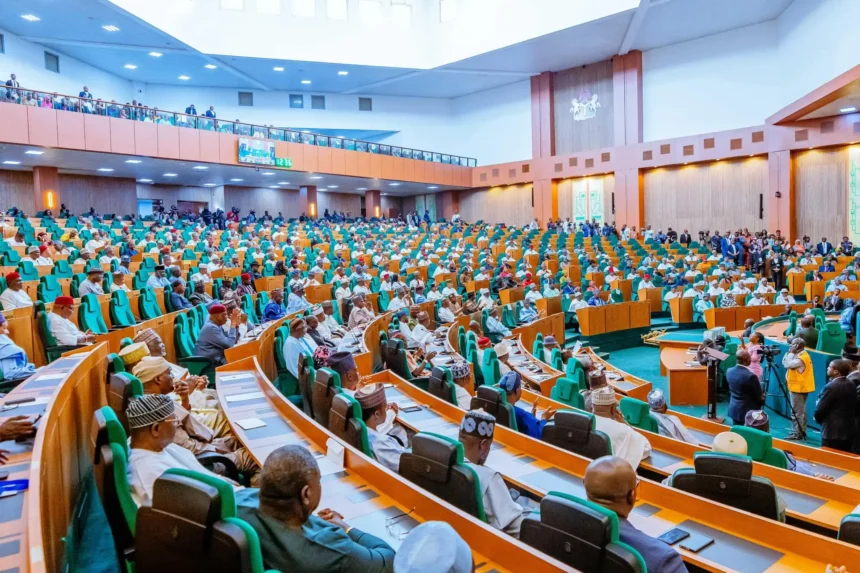
The bill was passed after an overwhelming majority of lawmakers backed the measure during plenary, with 289 members voting in favour, one voting against, while Speaker Tajudeen Abbas abstained from the exercise.
The legislation was considered against the backdrop of rising incidents of killings, kidnappings and bandit attacks across various parts of the country, which have intensified calls for reforms to Nigeria’s security architecture.
Proceedings on the bill, however, were marked by controversy after a member representing Kaduna State on the platform of the African Democratic Congress (ADC), Bashir Zubairu, objected to the consideration of the proposal.
Raising a point of order, Zubairu argued that lawmakers had insufficient time to study the document prepared by the House Committee on Constitution Review before deliberations commenced.
“Mr Speaker, this document was only made available to lawmakers in the chambers, and we are yet to go through it. We cannot do justice to it because we have not gone through it,” Zubairu said.
His objection was dismissed by the Speaker, who ruled the point of order out of place and proceeded with clause-by-clause consideration of the bill.
Despite intermittent interruptions and repeated shouts of “Point of Order” from some lawmakers, Abbas continued the proceedings and guided members through the legislative process.
Before voting commenced, the Speaker informed the House that the electronic voting system was not functioning, necessitating a manual process based on attendance.
Of the 290 lawmakers present during the session, 289 voted in support of the bill, underscoring broad legislative backing for the creation of state police structures.
The passage of the bill represents a significant milestone in ongoing efforts to reform Nigeria’s security framework and address growing public concerns over the capacity of the centralised policing system to effectively respond to insecurity.