By Amofokhai Williams
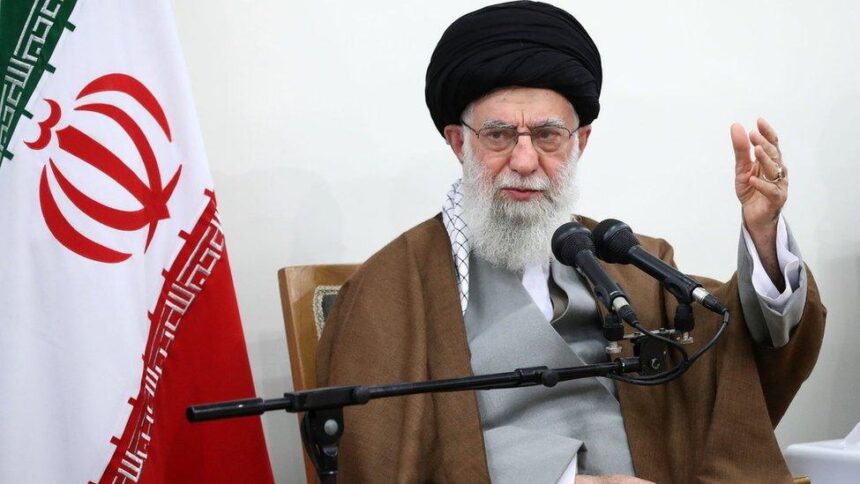
In a dramatic escalation of the ongoing Middle East conflict, Iranian Supreme Leader Ayatollah Ali Khamenei, the Islamic Republic’s paramount authority for nearly four decades, has been killed in targeted airstrikes carried out jointly by the United States and Israel, according to multiple Israeli and U.S. officials.
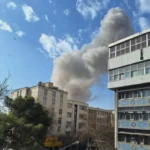
The strikes, part of a large-scale military operation dubbed by some sources as targeting Iran’s top leadership and nuclear infrastructure, hit Khamenei’s compound in Tehran early Saturday morning.
Israeli intelligence sources confirmed to international outlets that Khamenei’s body was recovered from the rubble of the destroyed site, with assessments indicating he was directly struck in the initial wave of attacks.
President Donald Trump, speaking to NBC News, stated that the U.S. feels “certain” Khamenei is dead, adding that “most” of Iran’s senior decision-making leadership has been eliminated.
“The people that make all the decisions, most of them are gone,” Trump said, framing the operation as a decisive move to neutralize security threats to the U.S. and potentially open the path for Iranians to overthrow their regime.
Israeli Prime Minister Benjamin Netanyahu, in a televised address, described “growing indications” and “all signs” pointing to Khamenei’s death, calling it a potential turning point that could allow the Iranian people to “unshackle themselves from tyranny.”
A senior Israeli official told Reuters that Khamenei, 86, was killed in the opening phase of the campaign, with his body reportedly presented in intelligence briefings.
Iranian officials have not yet confirmed the supreme leader’s death. State media and foreign ministry spokespeople have insisted that key leadership figures, including Khamenei, remain “safe and sound” or unaccounted for in a way that denies the reports outright.
Iran’s foreign minister told outlets like NBC that, “as far as I know,” Khamenei is alive, though communications from Tehran have been disrupted amid widespread explosions and retaliatory missile launches toward Israel.
The operation follows months of intensifying shadow warfare, including previous Israeli threats against Khamenei dating back to the 2025 air exchanges.
Khamenei, who succeeded Ayatollah Ruhollah Khomeini in 1989, had long been viewed as the unyielding architect of Iran’s anti-Western foreign policy, support for proxy groups across the region, and suppression of domestic dissent.
His reported death leaves a profound power vacuum at the apex of Iran’s theocratic system. The Assembly of Experts would typically convene to select a successor, but the ongoing strikes and chaos could delay or complicate that process.
Potential figures in line for influence include senior clerics and IRGC commanders, though many reports suggest the broader campaign has decimated much of the top echelon.
Reactions poured in rapidly across the region and globally. In some Iranian cities, including Karaj, videos emerged showing crowds celebrating the news, chanting against the regime amid long-simmering discontent over economic hardship, repression, and recent mass casualties.